 how-to
Is Your Princeton Electrical Emergency Really an Emergency?
Quick Summary
An emergency electrical repair in Princeton, TX is any situation where electricity poses an immediate danger to people or property, such as burning smells, sparking, hot outlets or switches, a warm or buzzing panel, or any shock. Problems like these call for a licensed electrician right away rather than waiting a day or two.
- Burning smells, sparks, smoke, shocks, or a hot panel require an immediate call.
- Breakers that trip repeatedly or flickering across multiple rooms need a same-day call.
- Turn off the breaker feeding a warm or burning-smelling outlet if you can reach it safely.
- Do not keep resetting a breaker that trips again within minutes or trips with nothing plugged in.
- Check whether neighbors have power first; if not, contact your utility company instead of an electrician.
Table of Contents
What Counts as an Electrical Emergency in Princeton Homes
Is your Princeton electrical problem a true emergency? The honest answer is that some problems need a licensed electrician right away, while others can wait a day or two. A flickering light is annoying. A scorched outlet is a fire risk. Knowing the difference can protect your family and your wallet.
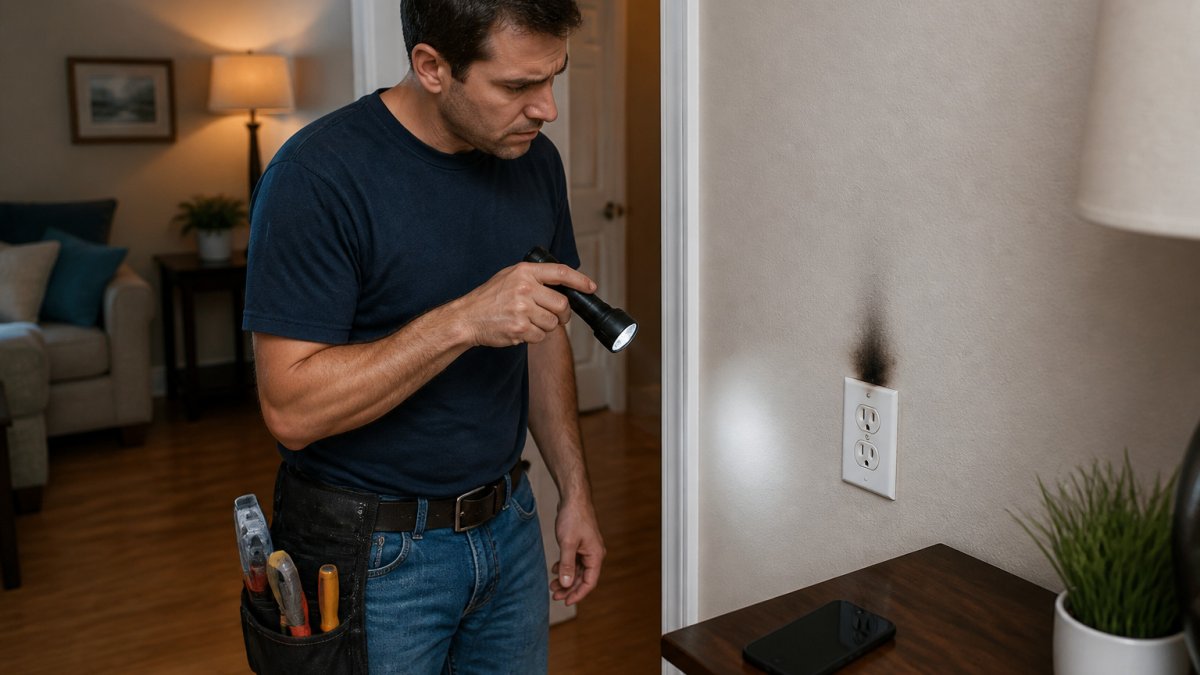
Emergency electrical repair in Princeton, TX generally means any situation where electricity poses an immediate danger to people or property. That includes burning smells, sparking, hot outlets or switches, a warm or buzzing electrical panel, and any shock you receive from an appliance or fixture. Power loss affecting only part of the house usually points to a breaker or wiring issue inside the home, which still deserves prompt attention.
Not every problem calls for a 2 a.m. response. A breaker that trips once after a heavy load may be harmless. A breaker that trips repeatedly, or one that feels hot to the touch, is a warning sign. Use this quick test:
- Call immediately: burning smells, sparks, smoke, shocks, melted or discolored covers, or a hot panel
- Call the same day: a breaker that trips repeatedly, flickering across multiple rooms, or dead outlets
- Schedule soon: dim lights during appliance use or a single slow fixture
Most homeowners underestimate how quickly a small fault can turn serious. Electrical fires often start at connections that have been overheating for weeks. If you are unsure, treat it as an emergency and call a licensed electrician.
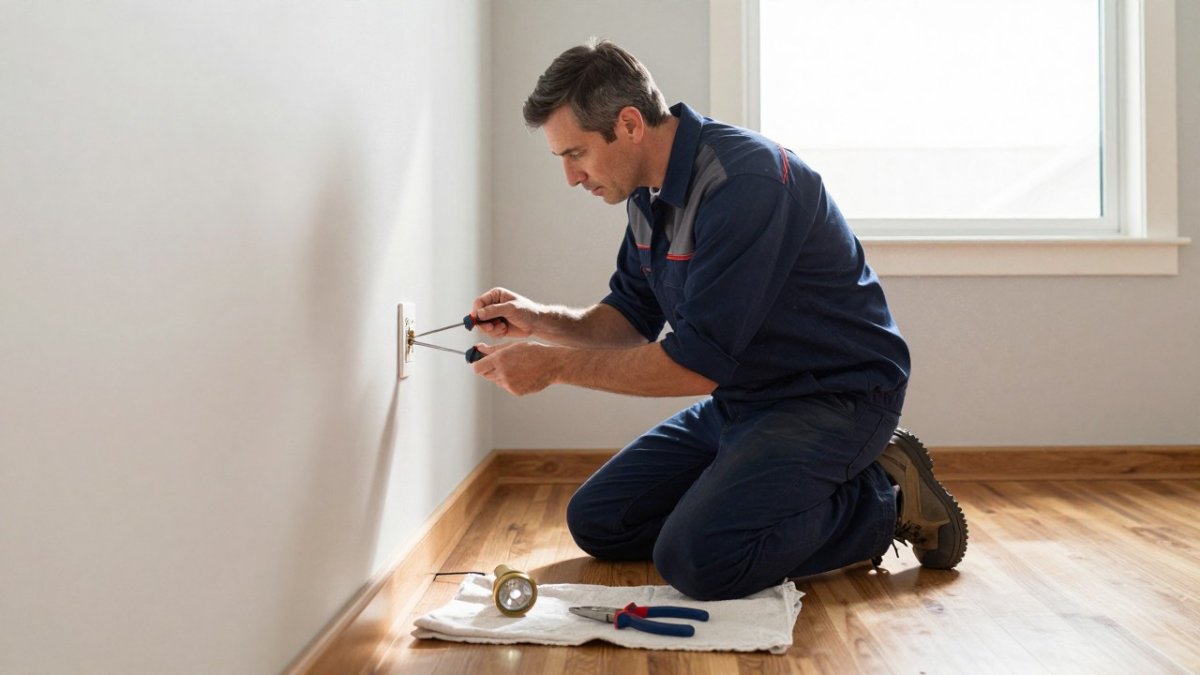
Burning Smell From Outlet: What to Do Right Away
A burning smell from an outlet is one of the most urgent electrical warnings you can get. Plastic insulation and melting components give off a distinctive odor well before visible damage appears. Don't wait to see if it goes away.
Take these steps immediately:
- Turn off the breaker that feeds the outlet, if you can reach it safely.
- Unplug anything connected to that outlet and move it away.
- Do not touch the outlet or cover plate with bare hands if it feels warm.
- Leave the area if you see smoke, and call 911 if there are flames.
- Call a licensed electrician to inspect the connection before restoring power.
Resetting the breaker and plugging the outlet back in is not a fix. Burning odors usually mean a loose connection, a failing receptacle, or wiring that has overheated inside the wall. Replacing the outlet without locating the cause often leaves the problem in place.
Watch out: never use a space heater or high-draw appliance on a circuit you suspect is overheating.
Tripped Circuit Breaker: When a Reset Is Safe and When It Isn't
A tripped breaker is the system working as designed. It cuts power when current exceeds safe limits. The question is whether the cause is harmless or hazardous.
A single trip after you run a microwave, hair dryer, and space heater together is often just overloading. Walk through a safety-first troubleshooting checklist before deciding whether a reset is appropriate. Move one device to a different circuit and reset the breaker. If it holds, the circuit was simply overloaded.
Repeated tripping is different. If the breaker trips again within minutes, or trips with nothing plugged in, stop resetting it. Each reset under a fault adds stress to the wiring and the breaker itself. Repeated trips can indicate a short circuit, a ground fault, or a breaker that has worn out.
A reset is generally safe only when the breaker has tripped once, under a clear load, and stays on afterward. If it warms up, buzzes, or smells, shut it off and call an electrician.
Power Outage Troubleshooting Before You Call for Help
Before you call for emergency service, a few simple checks can tell you whether the problem is inside your home or in the neighborhood. Start by checking whether your neighbors have power. If they do, the issue is likely your home's wiring, panel, or breaker. If nobody on your street has power, contact your utility company to report the outage. Utility outages are not an electrician's responsibility and do not require an in-home service call.
For an in-home outage, follow these steps:
- Look at the main breaker and the individual breakers in your panel.
- Reset any breaker that has moved to the middle or off position, once.
- Check whether GFCI outlets in kitchens, bathrooms, garages, or outdoors have tripped, and press the reset button.
- Make sure no appliance is causing a short before you reset anything.
If the power does not return, or a breaker trips again, stop troubleshooting. Further resets can cause more damage. Note what you observed, such as which breakers tripped and any smells or sounds, so the electrician can work faster.
Electrical Panel Repair Warning Signs and Emergency Response
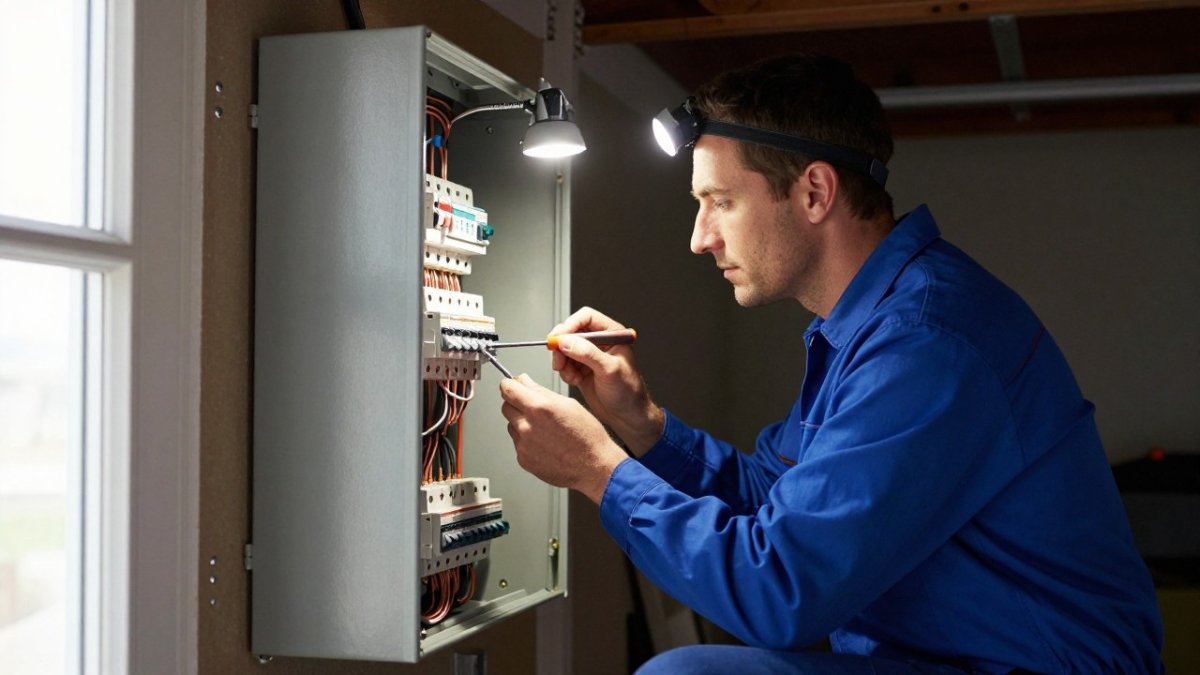
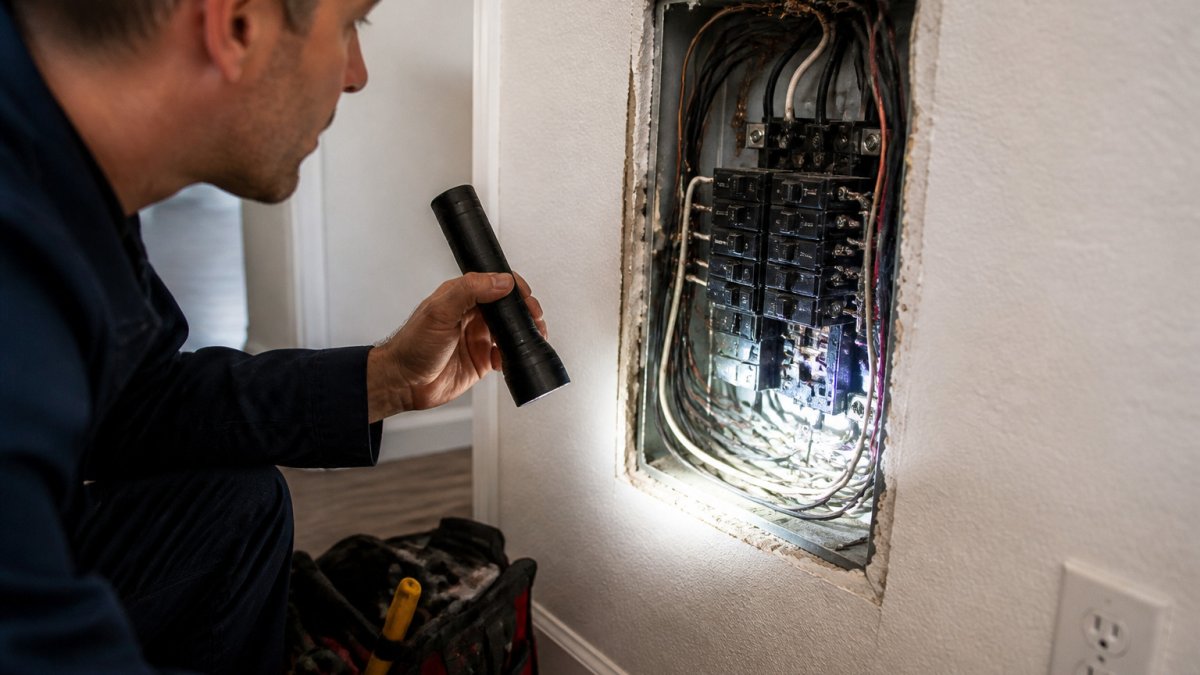
Your electrical panel is the heart of your home's wiring. Problems here affect every circuit. Warning signs include a panel that is hot to the touch, a buzzing or humming sound, scorch marks or discoloration on the panel or breakers, breakers that will not stay on, and an unusual smell near the panel.
Older homes deserve extra attention. Check whether your home has outdated wiring that may need professional attention. Certain legacy panel brands from past decades have been associated with breaker failures, and many homes still carry wiring that was not designed for today's electrical loads. If you have seen the warning signs above in an older home, plan for a professional inspection instead of waiting for a failure. Learn when a panel repair makes sense versus an upgrade.
If you notice a hot or smoking panel, turn off the main breaker only if you can do so without touching the panel's interior or standing in water. Then leave the area and call for emergency service. Never open the panel cover yourself.
What Affects Emergency Electrical Repair Pricing
Emergency service often costs more than scheduled work because it requires a technician to respond outside normal hours and address an urgent hazard. Several factors influence the final cost, including the time of day, the complexity of the fault, the parts required, and whether the work involves the panel, the service line, or simply a single receptacle. See a breakdown of typical panel replacement costs.
For current pricing on your situation, contact T6 Electrical Contractor for a quote.
Calling a Licensed Electrician for Emergency Service in Princeton, TX
When you call for emergency electrical repair in Princeton, TX, have a few details ready: what you noticed, when it started, which breakers or outlets are affected, and whether anyone has been shocked or smelled smoke. See how to book a repair service with us and what to expect when you schedule.
At T6 Electrical Contractor, we focus on reliable electrical solutions, high-quality equipment, and personalized consultations to help you choose a scope that fits your needs and budget.
Don't gamble with electricity. If your Princeton electrical problem involves burning smells, sparks, heat, or repeated breaker trips, call us today.
Last Updated: October 28, 2026
Frequently Asked Questions
What counts as an electrical emergency?
An electrical emergency is any situation where there is an immediate risk of fire, electric shock, or serious equipment damage. Examples include a burning smell or scorch marks at an outlet or panel, sparks or buzzing from a breaker box, a hot or discolored outlet cover, exposed live wires, water touching electrical equipment, and a partial power loss that affects only part of the home while other circuits still work. Flickering lights alone are usually a repair issue rather than an emergency, but they should not be ignored. If you are unsure, treat the situation as urgent and turn off the affected circuit at the breaker if it is safe to do so, then call a licensed electrician.
Should I turn off the breaker during an electrical emergency?
If you can reach the breaker panel safely, shutting off the circuit tied to a burning smell, warm outlet, or sparking device reduces the risk of fire while you wait for help. Do not open the panel cover or touch wet or damaged equipment. If the smell or heat is coming from the panel itself, or if you see smoke, leave the home, call 911, and then call an electrician. Do not reset a breaker repeatedly to test whether the problem has cleared, because a circuit that trips again is signaling a fault that needs professional diagnosis.
Can a tripped breaker be a sign of a serious electrical problem?
Yes. A breaker trips to stop excess current, so a breaker that trips often or immediately after being reset may indicate an overloaded circuit, a short circuit, a ground fault, or damaged wiring. A single trip caused by a space heater or hair dryer is usually harmless, but repeated trips, a warm breaker, a burning odor, or a breaker that will not stay on are warning signs. Resetting the breaker once after unplugging the load is a reasonable first step. If it trips again, stop using that circuit and have it inspected.
When should I call an emergency electrician in Princeton, TX?
Call an emergency electrician right away if you notice a burning smell that does not go away after shutting off the circuit, scorch marks, sparking, a buzzing or hot electrical panel, water near electrical equipment, or any loss of power that could involve the main service. Emergency calls are also appropriate when a breaker trips again after reset, when part of the home loses power suddenly, or when someone has received a shock.